Clinical exam, panoramic imaging and jaw measurements
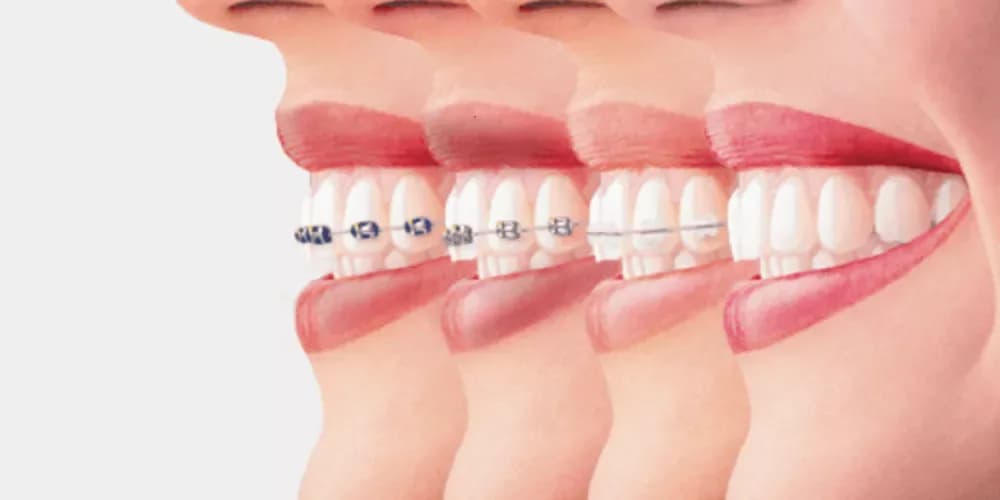
Metal Braces
Fixed metal braces that correct crowding, spacing and bite problems through a planned, regularly monitored treatment.
60 minFrom SAR 2,996
This procedure requires an assessment consultation first so we can plan it around your case.
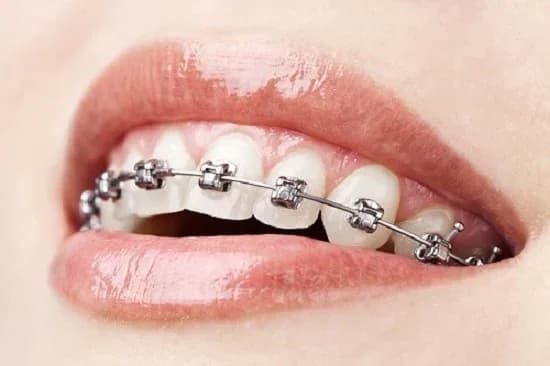
Metal Braces
Metal braces remain the most dependable way to correct tooth alignment and bite problems. Brackets are bonded to each tooth and connected by an archwire that is adjusted at every visit, moving the teeth gradually into position.
When are metal braces the right choice?
Usually for moderate to complex cases: significant crowding, pronounced bite discrepancies, or situations that require precise movement of the tooth roots. They are also the most practical option for children and teenagers, since results do not depend on the patient remembering to wear an appliance.
The treatment path
Treatment starts with a full assessment including panoramic imaging and jaw measurements, followed by a plan setting out the expected duration and number of visits. Reviews are typically every 4 to 6 weeks to adjust the wire and monitor progress.
After the braces come off
Retention matters as much as the active treatment. A fixed or removable retainer holds the result and prevents the teeth from drifting back.
Duration and outcome vary between cases and are confirmed after a clinical examination and imaging.
What you gain
- Effective for moderate and complex cases
- Works without relying on patient compliance
- Precise control over root movement
- A suitable option for children and teenagers
- A plan with a defined duration and visit schedule
- A retention phase that protects the result
How it works
Review of the treatment plan and expected duration
Bonding of the brackets and archwire
Follow-up adjustments every 4 to 6 weeks
Removal of the braces and fitting of a retainer
Who performs it

Dr / Khadr Abubakar
Dental Implant & Oral Surgery Specialist

Dr / Hatem Al-Hajj
Orthodontic Specialist

Dr / Ahmed Najm
General Dentist
Maha Abdulwahab
General Dentist
FAQ
How long does treatment with metal braces take?
It varies by case, most often between one and two and a half years. The exact duration is determined after examination and imaging, and is set out in your plan before treatment begins.
Is fitting braces painful?
Fitting itself is not painful. It is normal to feel pressure or tenderness for a few days after fitting and after each adjustment, easing gradually.
How do they compare with clear aligners?
Metal braces are fixed, handle complex cases and root movement better. Aligners are far less visible and removable for meals, but require 20 to 22 hours of daily wear. Your dentist will recommend the better fit after an assessment.
Do I need to change how I clean my teeth?
Yes. Braces need more thorough care: an interdental brush, floss with a threader, and sometimes a water flosser. We demonstrate the technique at your fitting appointment.