Examination and imaging to assess the need for a crown
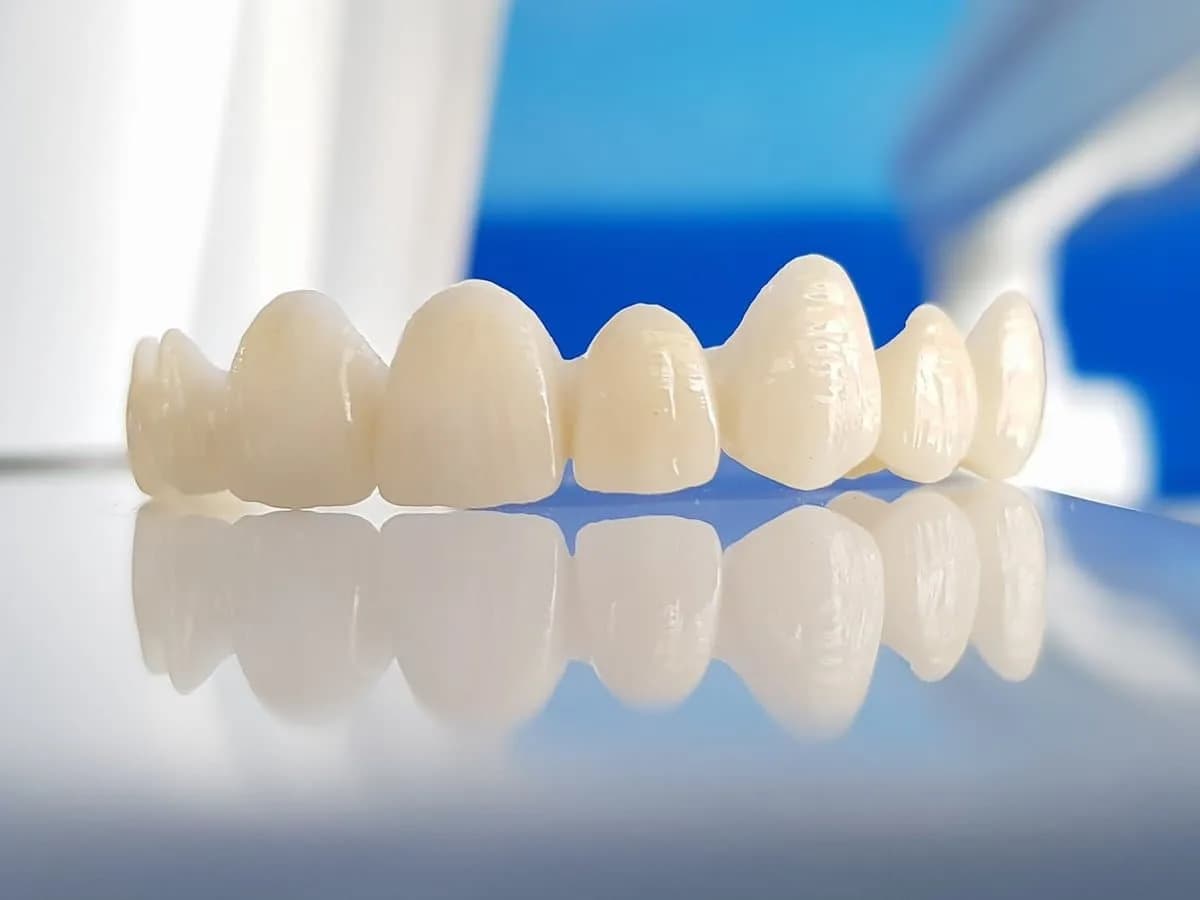
German Zirconia Crowns
Crowns and bridges in German zirconia — high strength and a natural shade, with no dark metal margin at the gumline.
60 min
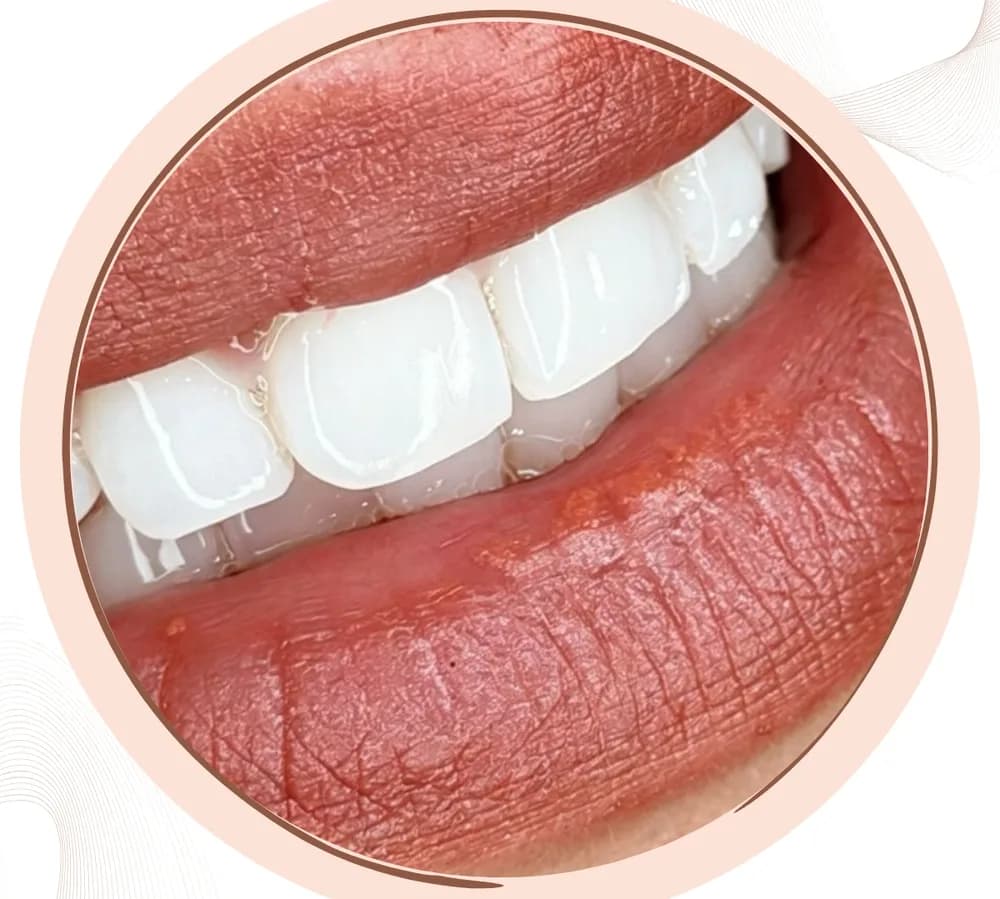
German Zirconia Crowns
Zirconia is a high-strength ceramic that has replaced porcelain-fused-to-metal in most cases. The clearest difference is the absence of a metal core, so no dark line appears at the gum margin over time.
Why German zirconia specifically
German zirconia blocks are known for consistent material properties and a natural shade gradient. Milled digitally with CAD/CAM, the restoration comes out to precise dimensions, reducing chairside adjustment and improving marginal fit.
Where it is used
A crown for a damaged or root-treated tooth, a bridge to replace a missing tooth, a crown over an implant, or a set of restorations within a smile design plan. It performs well on posterior teeth given its ability to withstand chewing forces.
What you should know
A crown requires preparation of the tooth surface, which is irreversible. We therefore confirm the nerve and gum are sound first, and discuss whether a crown is the right answer or a cosmetic filling would be enough.
What you gain
- No metal core, so no dark line at the gumline
- High strength that withstands chewing forces
- Digitally milled with CAD/CAM for a precise fit
- A natural shade gradient close to real enamel
- Good biocompatibility with gum tissue
- Suitable for crowns, bridges and implant restorations
How it works
Tooth preparation and digital scanning
A temporary crown while the restoration is made
CAD/CAM fabrication of the restoration
Try-in of the final restoration and cementation
Who performs it

Dr / Khadr Abubakar
Dental Implant & Oral Surgery Specialist

Dr / Hatem Al-Hajj
Orthodontic Specialist

Dr / Ahmed Najm
General Dentist
Maha Abdulwahab
General Dentist
FAQ
How long does a zirconia crown take?
Usually two visits over one to two weeks: one for preparation, scanning and a temporary crown, and one for try-in and final cementation.
How does zirconia compare with porcelain-fused-to-metal?
Zirconia has no metal core, so no dark line appears at the gum and the shade is closer to a natural tooth. Porcelain-fused-to-metal is older and often cheaper but shows a metal margin as the gum recedes.
Does a crown need special care?
The same care as natural teeth: brushing twice daily, flossing and regular reviews. Most importantly, avoid biting hard objects such as ice or unshelled nuts.
Can zirconia be placed on a root-treated tooth?
Yes, and it is one of its most common uses. A root-treated tooth becomes more brittle, and a crown protects it from fracture under chewing forces.