Consultation and facial balance analysis
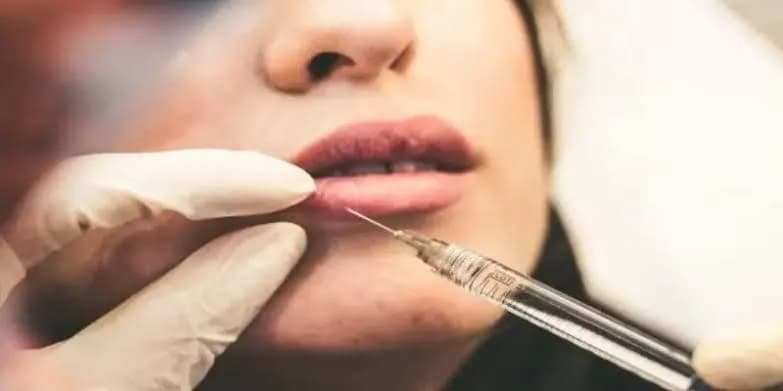
French Filler (Juvéderm)
One of the most widely documented hyaluronic acid ranges worldwide, with a manufacturing technology that gives it durability and a natural feel.
45 min
This procedure requires an assessment consultation first so we can plan it around your case.
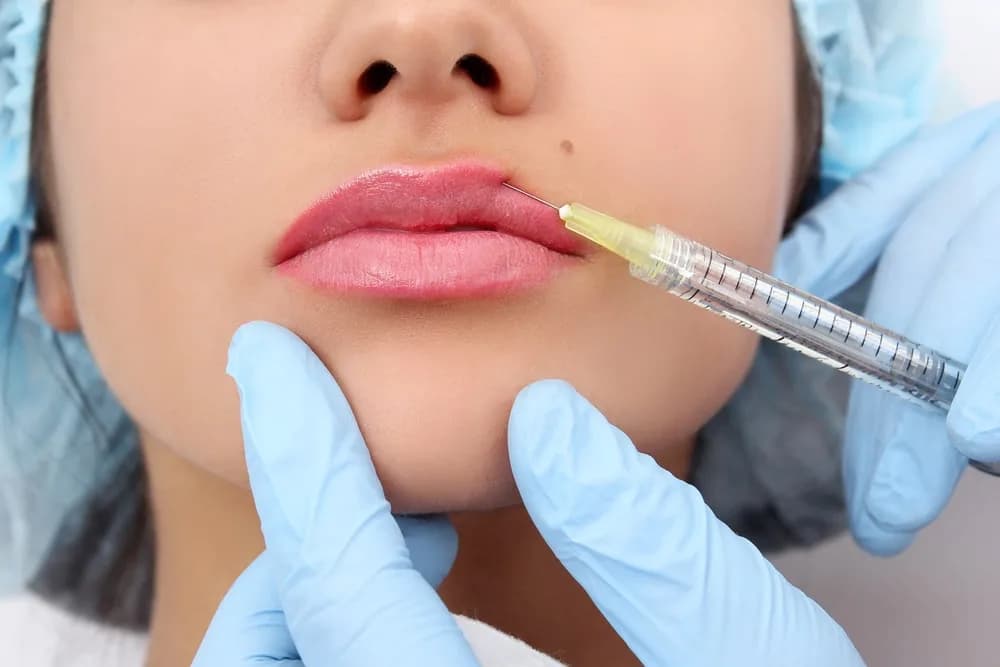
French Filler (Juvéderm)
Juvéderm is among the most widely used and best documented filler ranges in clinical literature. It uses a particular cross-linking technology for hyaluronic acid that gives the gel a smooth consistency and relatively longer durability while keeping a natural feel under the skin.
What sets it apart in practice
A homogeneous gel means smoother distribution within the tissue and less tendency to form lumps. That is why it is widely used in areas where any irregularity shows clearly, such as the lips and perioral region.
Common areas
- Lips — volume, definition and correcting asymmetry
- Cheeks and restoring lost volume
- Nasolabial folds and marionette lines
- Chin and jawline
- Non-surgical nose refinement in selected cases
Our approach to injecting
We do not treat an area in isolation from the face as a whole. Volume loss in the cheek, for example, may be the real reason a nasolabial fold looks deep, and treating the cheek gives a more natural result than filling the fold directly. We discuss a whole-face plan with you even if it is carried out in stages.
What to know
Swelling and possible bruising for a few days. Reversible with a specific enzyme. Pregnancy, breastfeeding, active infection at the site and ingredient allergies are contraindications reviewed before the session.
What you gain
- A filler range with extensive clinical documentation
- A homogeneous gel that reduces the chance of lumps
- Relatively longer durability in suitable areas
- Reversible with a specific enzyme
- A plan that considers overall facial balance
- Results visible immediately after the session
How it works
A plan defining areas, priorities and stages
Topical anaesthetic and marking of injection points
Injection with the technique suited to each area
A review at two weeks to assess the settled result
FAQ
What is the difference between French and Swiss filler?
Both are hyaluronic acid and differ in cross-linking technology and the range of consistencies. The practical difference shows in the target area and expected durability; your doctor recommends what suits your case after assessment — not automatically the more expensive one.
How long does it last?
Usually 9 to 18 months depending on the area and product. Highly mobile areas consume filler faster.
Can lips be done naturally without overfilling?
Yes, and that is what we recommend. Building gradually across two spaced sessions gives a more natural result and lets you assess the shape before adding more.
When can I return to normal activity?
The same day. We advise only avoiding intense exercise, saunas and rubbing the area for the first 24 hours; swelling eases within days.