Examination of teeth and gums and assessment of deposits
Dental Cleaning & Polishing
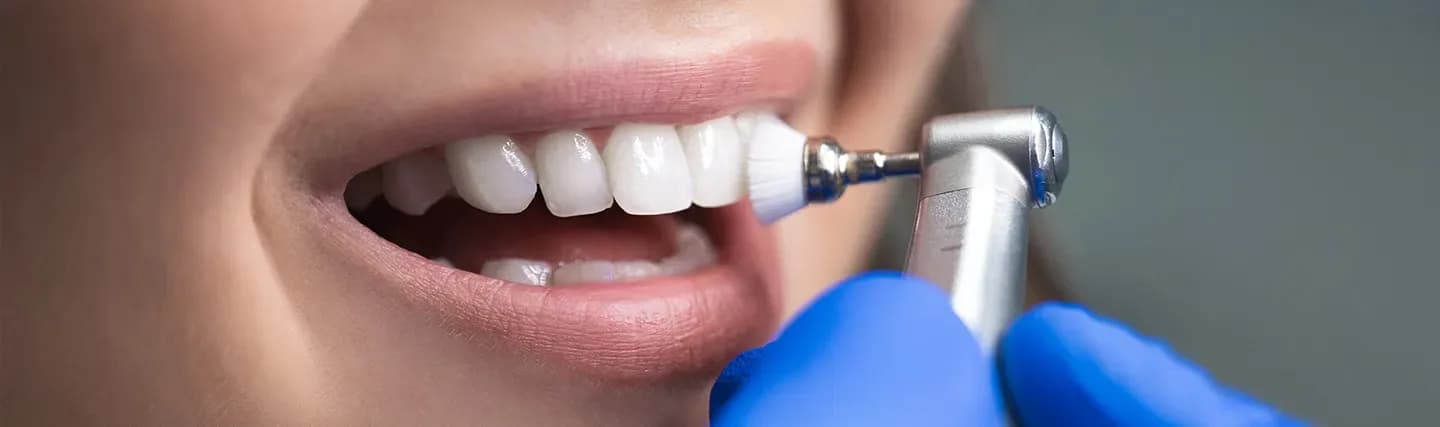
Ultrasonic removal of tartar above and below the gumline, followed by polishing that smooths the surface and slows re-accumulation.
45 min
Dental Cleaning & Polishing
Tartar is hardened plaque that no toothbrush removes, however good your home routine. Its build-up at the gum margin is the leading cause of gum inflammation, bleeding and bad breath, and left alone it leads over time to gum recession and loss of supporting bone.
What happens in the session
We remove deposits above and just below the gum margin using an ultrasonic scaler and fine hand instruments, then polish the tooth surfaces with a dedicated paste. A smooth surface holds less plaque and delays tartar forming again.
An examination alongside the clean
The appointment doubles as a full check: early decay, failing fillings, gum recession, or signs of grinding. Catching these early means simpler and less costly treatment.
How often you need it
Twice a year as a general rule. Smokers, people with gum disease or diabetes, and patients in braces may need it more often — we set the interval with you based on your case.
What you gain
- Removes tartar a brush cannot reach
- Reduces gum bleeding and inflammation
- Addresses a leading cause of bad breath
- A smooth surface that slows deposits returning
- An accompanying check that catches problems early
- Home-care guidance tailored to your case
How it works
Ultrasonic removal of tartar
Fine hand scaling at the gum margin
Polishing the tooth surfaces with a dedicated paste
Home-care guidance and scheduling the next review
Who performs it

Dr / Khadr Abubakar
Dental Implant & Oral Surgery Specialist

Dr / Hatem Al-Hajj
Orthodontic Specialist

Dr / Ahmed Najm
General Dentist
Maha Abdulwahab
General Dentist
FAQ
Does cleaning create gaps between my teeth?
No. The tartar was filling spaces that already existed because of gum recession. Once removed the gaps become visible, but the cleaning did not create them — it revealed them and stopped the cause.
Is the session painful?
Usually not. You may feel mild sensitivity, especially where there is gum inflammation or recession. A local anaesthetic can be used in sensitive cases.
How often should I have a professional clean?
Twice a year as a general rule. Smokers, patients with gum disease or diabetes, and those in braces may need every 3 to 4 months. We set the right interval after examining you.
Does cleaning whiten teeth?
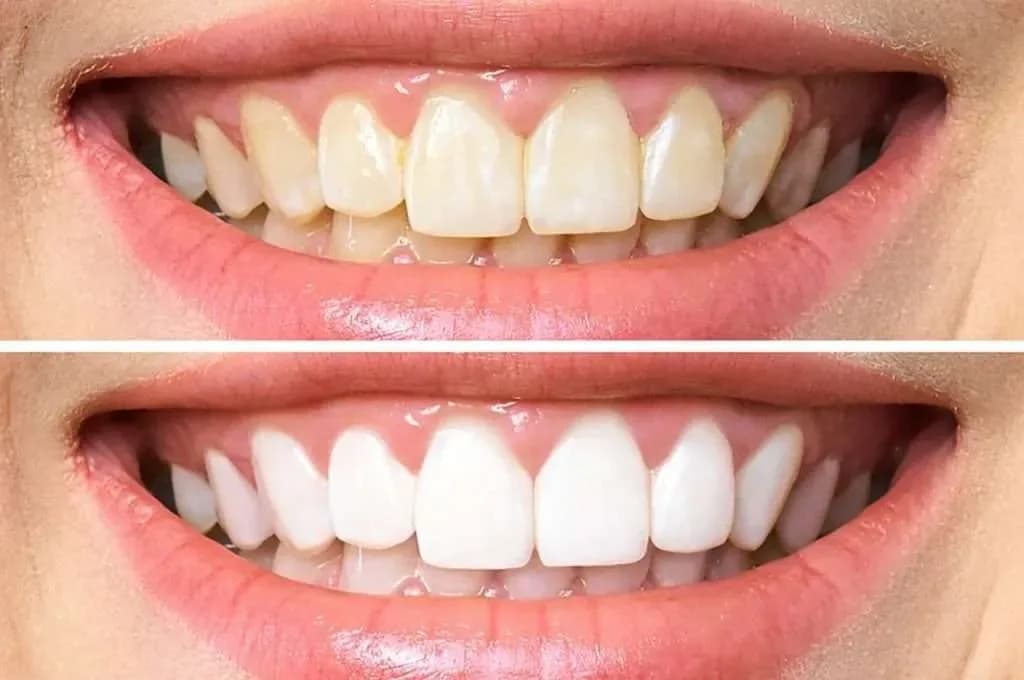
Cleaning removes surface staining so teeth return to their natural shade, which can look brighter. It is not whitening — that is a separate procedure that changes the shade of the tooth itself.